What the research says
A 2008 systematic review found the evidence insufficient to say that computer work causes carpal tunnel syndrome. A population study even found fewer diagnoses among intensive keyboard users. Other studies link heavy keyboard use, above 20 hours a week, to more symptoms.
Whatever the cause, typing with a painful wrist is tiring. Cutting keyboard time is a simple adjustment you control.
Move the long writing to your voice
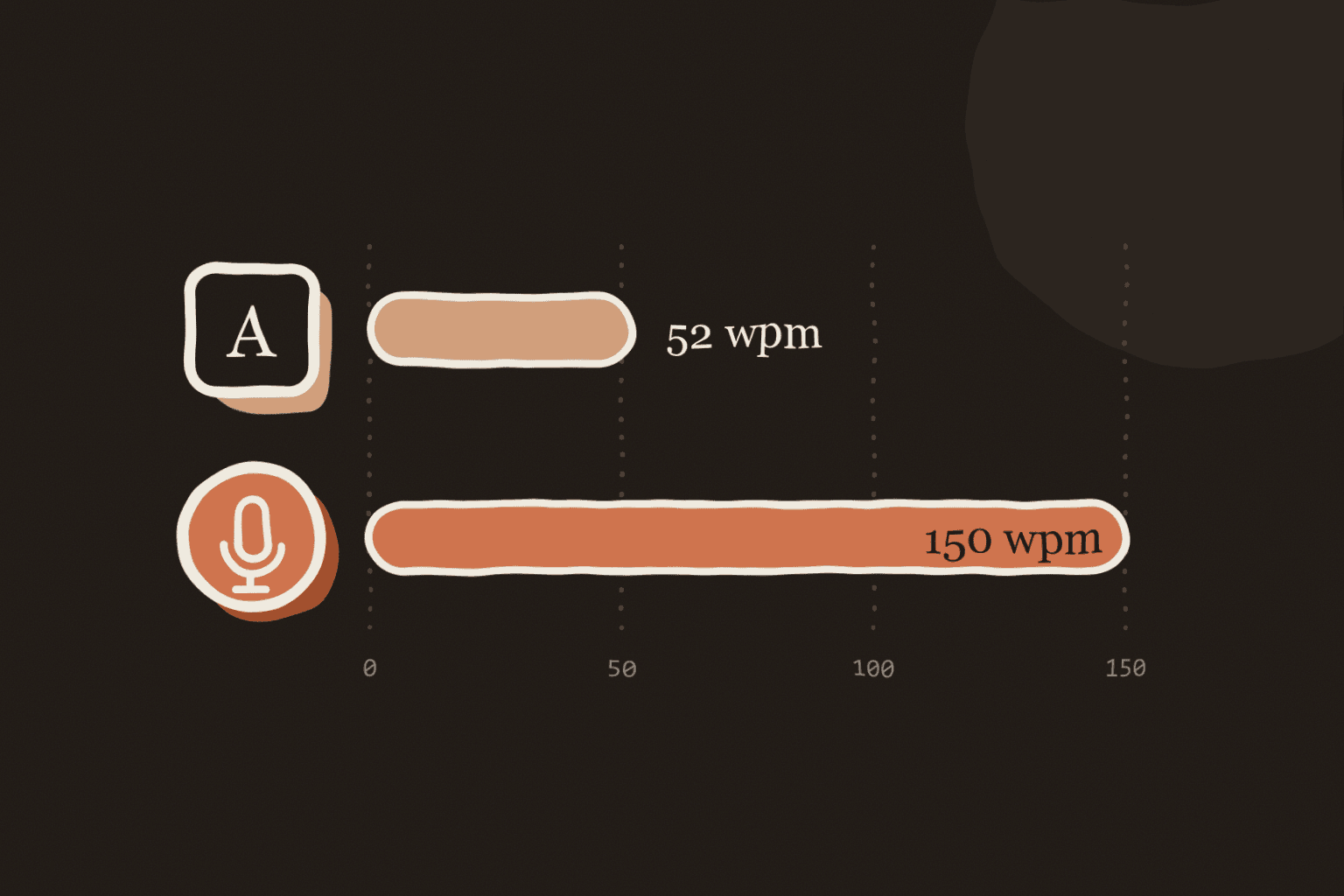
Dictation saves the most on long text: emails, reports, notes and messages to AI tools. Short edits, shortcuts and numbers are still easier on the keyboard.
Say a full paragraph at a time. You will spend less time on the keyboard fixing it than writing it.
Choose a shortcut that spares your hands
Holding a key combination for a whole paragraph strains the hand you are trying to rest. In WhisperARC, switch Activation to Press: press once to start and once to stop.
You can also assign the shortcut to a supported mouse button, or use Start dictation in the WhisperARC bubble. Pick what is least painful for you.
Cut corrections, not just typing
Every correction brings you back to the keyboard. Add the names you use often to a glossary, and create a mode that removes filler words and repetitions.
Choose a model that gets your words right the first time. On most PCs, Large v3 Turbo makes fewer mistakes than smaller models.
Look after your voice too
Speak at a normal volume, keep water nearby and take short breaks. Dictating all day is new work for your voice, so build up gradually.
If symptoms persist, ask a doctor or occupational therapist about splints, workstation changes and treatment. In many countries, speech recognition software is a recognised workplace adjustment.